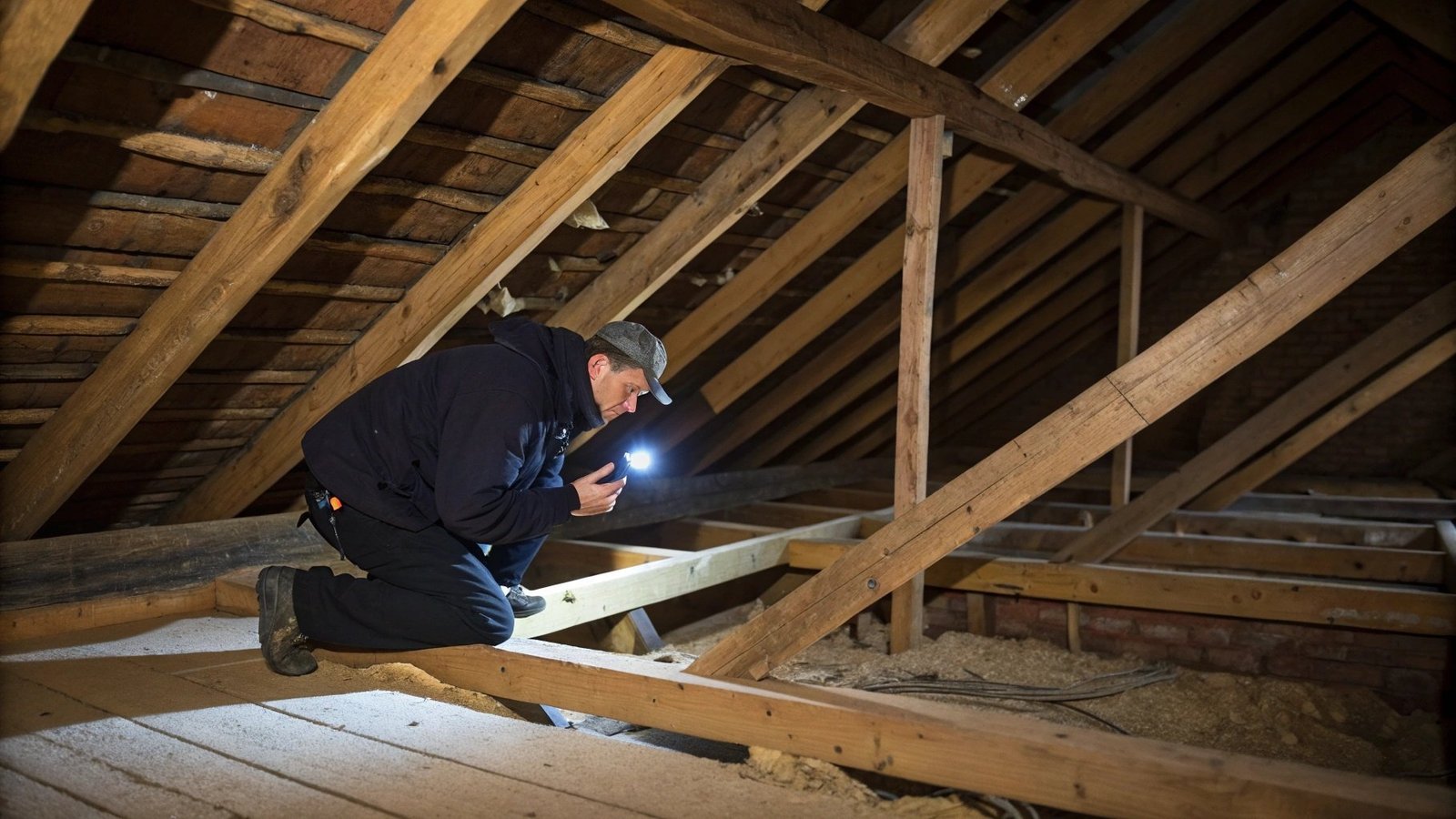
The roof is your property's first line of defense against Lancashire's challenging weather. Yet it's also one of the most neglected components - out of sight, out of mind - until a catastrophic leak causes thousands of pounds of damage. Understanding roof problems helps you maintain your most important weather barrier and avoid expensive emergencies.
As RICS surveyors in Preston, we inspect hundreds of roofs annually across Lancashire. This comprehensive guide shares what we look for, common problems we find, realistic repair costs, and when replacement becomes necessary.
Roof Types in Preston and Lancashire
Understanding Your Roof
Different roof types have different vulnerabilities:
1. Pitched Roofs with Slate
- Common in: Victorian and Edwardian properties
- Material: Natural Welsh or Westmorland slate
- Lifespan: 80-100+ years if maintained
- Pros: Durable, beautiful, long-lasting
- Cons: Expensive to repair/replace, can slip with age
- Common issues: Slipped/broken slates, nail failure, ridge deterioration
2. Pitched Roofs with Clay Tiles
- Common in: Inter-war and some modern properties
- Material: Clay double roman, plain tiles, or pantiles
- Lifespan: 60-100 years
- Pros: Durable, attractive, reasonably priced
- Cons: Can crack with frost, heavy
- Common issues: Cracked tiles, loose/missing tiles, felt deterioration
3. Pitched Roofs with Concrete Tiles
- Common in: Post-1950s properties
- Material: Concrete interlocking or plain tiles
- Lifespan: 40-60 years
- Pros: Affordable, readily available
- Cons: Shorter lifespan, can deteriorate, heavy
- Common issues: Surface deterioration, mechanical fixings failing, felt failure
4. Flat Roofs
- Common on: Extensions, rear additions, garages
- Materials: Felt (traditional), EPDM rubber, GRP fibreglass, single-ply membrane
- Lifespan: 10-30 years depending on material
- Pros: Economic for extensions
- Cons: Limited lifespan, prone to ponding
- Common issues: Blistering, cracking, ponding, perimeter detachment
How Surveyors Inspect Roofs
Three Levels of Inspection
Level 1: Ground Level (Binoculars)
- Method: Visual inspection from ground using binoculars
- Scope: General condition, obvious defects only
- Limitation: Cannot see hidden areas, valleys, behind chimneys
- Used in: Basic mortgage valuations, RICS Home Survey Level 2
Level 2: From Ladders/Adjacent Buildings
- Method: Closer inspection from ladders or neighboring higher ground
- Scope: Better view of surface, eaves, valleys
- Limitation: Still cannot walk on roof or see every tile
- Used in: Most residential surveys
Level 3: Full Access (Roof and Loft)
- Method: Walking on roof surface, comprehensive loft inspection
- Scope: Detailed assessment of every component
- Cost: Requires scaffolding or specialized access (£500-£2,000+)
- Used in: Pre-purchase detailed inspections, major works specifications
Key Inspection Points
Professional roof inspections examine:
External (From Outside):
- Roof covering condition and alignment
- Ridge and hip tiles security
- Lead flashing condition
- Chimney condition
- Valleys and gullies
- Verge details
- Eaves and soffits
- Moss and vegetation growth
Internal (From Loft):
- Roof structure integrity
- Signs of water ingress (staining, rot)
- Sarking/felt condition (if visible)
- Insulation adequacy
- Ventilation provision
- Timber condition (rot, beetle attack)
Common Roof Problems
1. Slipped, Missing, or Broken Slates/Tiles
Causes:
- Nail failure: Original iron nails rust, allowing slates to slip
- Storm damage: Wind lifts and displaces covering
- Frost action: Water freezing in slate/tile cracks
- Impact damage: Falling branches, ladder damage
- Age: Natural deterioration over 80-100+ years
Signs:
- Visible gaps in roof covering
- Slates/tiles on ground after storms
- Daylight visible through loft
- Water ingress during rain
- Uneven roof surface appearance
Urgency:
High. Each missing slate/tile exposes sarking felt and timbers. Water damage escalates rapidly.
Repair Costs:
- Individual slate replacement: £80-£150 per slate (including access)
- Multiple slates (10-20): £800-£2,000
- Tile replacement: £60-£100 per tile
- Large area re-slating: £100-£150 per m²
Preston example: A Victorian terrace in Ribbleton had 15 slipped slates after winter storms. Repair cost £1,200 including scaffolding. Delay would have caused internal water damage costing £5,000+.
2. Ridge Tile Problems
Issues:
- Loose ridge tiles: Mortar deterioration allows movement
- Missing tiles: Fallen during storms
- Cracked tiles: Frost or impact damage
- Poor bedding: Cement mortar (should be lime) cracking
Causes:
- Original lime mortar deteriorating (normal after 50-80 years)
- Previous poor repairs using cement
- Storm damage
- Lack of mechanical fixings in exposed locations
Signs:
- Visible gaps at ridge
- Rocking ridge tiles (if accessible)
- Fallen tiles on ground
- Light visible through loft at ridge
Urgency:
High to Medium. Loose ridges can fall (dangerous), allow water ingress, and let wind under roof covering.
Repair Costs:
- Re-bedding ridge tiles: £40-£70 per meter
- Typical semi-detached: £600-£1,200 for full ridge
- Detached property: £1,200-£2,500
- Includes: Scaffolding, taking up old tiles, new mortar bedding, mechanical fixings
3. Lead Flashing Deterioration
What is Flashing?
Waterproof seal where roof meets walls, chimneys, or changes direction. Traditionally lead, sometimes modern alternatives.
Common Problems:
- Split lead: Thermal movement causes cracking
- Lifted flashing: No longer tucked into masonry
- Corroded lead: Particularly on older roofs
- Inadequate upstands: Not extending high enough up walls
- Missing aprons: Front of chimneys unprotected
Causes:
- Age (lead typically lasts 60-100 years)
- Thermal expansion/contraction
- Poor original installation
- Sulfur dioxide in atmosphere (less common now)
- Theft (rare but does happen)
Signs:
- Water staining on internal walls (particularly around chimneys)
- Visible splits or lifted edges
- Green patina (copper content corrosion)
- Damp patches in loft around flashing areas
Urgency:
High. Failed flashing causes significant water ingress, damaging timbers and internal finishes.
Repair Costs:
- Chimney flashing replacement: £800-£1,500 per chimney
- Valley flashing: £100-£150 per meter
- Abutment flashing: £80-£120 per meter
- Full house re-flashing: £2,000-£5,000 depending on complexity
Material alternatives: Code 4/5 lead traditional; GRP or proprietary systems cheaper (£600-£1,000 per chimney) but shorter lifespan.
4. Valley Gutter Problems
What are Valley Gutters?
Internal gutters where two roof slopes meet, channeling water to outlets.
Common Issues:
- Lead splits: Thermal movement causes cracking
- Blocked valleys: Debris accumulation
- Inadequate fall: Water ponds instead of draining
- Corrosion: Particularly with old cast iron valleys
- Tile/slate abutment failure: Water penetrates at edges
Signs:
- Water staining on ceilings below valleys
- Visible standing water in valleys (from ground or adjacent buildings)
- Damp patches in loft along valley line
- Moss and vegetation in valleys
Urgency:
Very High. Valley failures cause major water ingress affecting large roof areas.
Repair Costs:
- Valley cleaning: £100-£200
- Valley re-leading: £150-£200 per meter
- Typical valley (4-5m): £800-£1,200
- Cast iron valley replacement: £200-£300 per meter
5. Chimney Deterioration
Common Chimney Problems:
- Pointing deterioration: Mortar weathering away
- Spalling bricks: Frost damage causing face loss
- Leaning stacks: Foundation movement or wind damage
- Missing/damaged pots: Storm damage or age
- No chimney cap: Rain entering directly
- Flaunching failure: Mortar around pots crumbling
Causes:
- Exposure to weather (chimneys take full force)
- Freeze-thaw action
- Sulfate attack from flue gases (if used)
- Age (80-140+ years for Victorian chimneys)
Signs:
- Visible deterioration from ground
- Brick dust/debris on roof or in gutters
- Damp patches on chimney breast internally
- Visible lean (look from distance)
- Loose or fallen chimney pots
Urgency:
High. Unstable chimneys are dangerous (can collapse onto roof or street). Water ingress damages interior.
Repair Costs:
- Repointing chimney stack: £400-£800
- Chimney pot replacement: £200-£400 per pot
- Flaunching repair: £200-£400
- Partial rebuild: £1,000-£2,500
- Full stack rebuild: £2,500-£5,000
- Removal: £1,500-£3,000 (includes making good roof)
Safety note: Scaffold or tower required for chimney work - included in above costs.
6. Flat Roof Problems
Common Flat Roof Issues:
- Felt blistering: Moisture trapped under felt
- Cracking: Age, UV damage, thermal movement
- Ponding: Inadequate falls allowing water accumulation
- Perimeter detachment: Upstands pulling away
- Seam failure: Joints opening
- Surface deterioration: Top layer wearing through
Causes:
- Age (felt roofs 10-20 years typical lifespan)
- Poor original design (inadequate falls)
- UV and thermal stress
- Foot traffic damage
- Standing water accelerating deterioration
Signs:
- Visible bubbles or blisters on surface
- Cracks and splits
- Standing water (ponding)
- Loose edges or upstands
- Water ingress to rooms below
Urgency:
Depends on severity. Small defects repairable; widespread failure requires replacement.
Repair Costs:
- Patch repairs: £150-£400
- Liquid waterproofing coat: £30-£50 per m² (temporary solution)
- Felt replacement (3-layer): £40-£60 per m²
- EPDM rubber replacement: £50-£80 per m²
- GRP fibreglass: £60-£100 per m²
- Typical extension (15m²): £1,200-£2,000 for complete replacement
Lifespan comparison: Traditional felt 10-20 years; EPDM 30-50 years; GRP 20-30 years; single-ply membrane 25-40 years.
7. Roof Timber Problems
Common Timber Defects:
- Wet rot: From prolonged water ingress
- Dry rot: Fungal attack (spreads through masonry)
- Woodworm: Beetle infestation (common furniture beetle)
- Structural movement: Sagging rafters, spread walls
- Cut rafters: From improper alterations (loft conversions)
Causes:
- Water ingress from defective covering
- Inadequate ventilation
- Condensation in loft space
- Age of timber (80-140+ years)
- Previous beetle infestation
Signs (From Loft):
- Dark staining on timbers
- Soft, spongy wood (wet rot)
- White mycelium growth (dry rot)
- Flight holes (woodworm - 2mm diameter)
- Sagging or bowing rafters
- Mushroom smell (dry rot)
Urgency:
Very High for structural issues and dry rot. Medium for inactive woodworm.
Repair Costs:
- Timber treatment (woodworm): £500-£1,500
- Individual rafter repair: £200-£500 per rafter
- Purlin replacement: £1,000-£2,500
- Dry rot treatment: £2,000-£8,000+ (very variable)
- Major structural repairs: £5,000-£20,000+
Important: Always fix water ingress before timber repairs - otherwise problem recurs.
8. Sarking Felt / Underlay Failure
What is Sarking Felt?
Waterproof membrane beneath slates/tiles providing secondary protection.
Problems:
- Bitumen felt deterioration: Common in pre-1980 roofs
- Tears and holes: From wind, nails, or age
- Complete absence: Very old roofs have none
- Condensation damage: Non-breathable felt traps moisture
Causes:
- Age (traditional felt 30-50 years)
- UV degradation (where exposed)
- Physical damage from above or below
Signs:
- Visible holes or tears (from loft)
- Felt sagging between rafters
- Felt brittle and crumbling
- Water drips in loft during rain (if covering also defective)
Urgency:
Medium. Felt is secondary protection. If roof covering sound, felt failure less urgent. If covering failing too, both need addressing.
Repair Costs:
- Felt replacement requires total re-roofing: £50-£100 per m²
- Typical semi-detached (70m²): £7,000-£12,000
- Includes: Removing all slates/tiles, new breathable membrane, relaying covering
Note: Felt replacement alone rarely economical - typically done when roof covering also needs replacing.
Moss and Vegetation Growth
Is Moss a Problem?
Controversial among surveyors:
Arguments Against (Moss Is Bad):
- Holds moisture against tiles/slates
- Can lift edges of covering allowing wind/water entry
- Indicates poor drainage
- Makes surface slippery (maintenance access)
Arguments For (Moss Is Harmless):
- Protects surface from UV degradation
- Doesn't cause damage itself
- Present on many perfectly functional old roofs
- Removal can damage fragile tiles/slates
Professional Consensus:
- Light moss growth: Generally harmless, no action needed
- Heavy moss: Indicates poor drainage, clear valleys/gutters
- Vegetation (plants): Remove - roots can damage covering
- Removal method: If necessary, gentle brushing when dry (NEVER pressure washing)
Cost:
- Moss removal: £300-£800 depending on size
- Biocide treatment: £200-£500 (temporary - moss returns)
Preston perspective: Common on north-facing roofs in our damp climate. Usually cosmetic concern rather than structural.
When to Repair vs Replace
Repair When:
- Limited defects: Under 20% of covering affected
- Recent roof: Less than 2/3 through expected lifespan
- Good quality original: Slate or quality tiles worth preserving
- Specific isolated damage: Storm damage, single valley failure
- Budget constraints: Major expenditure not feasible
Replace When:
- Widespread failure: Over 30-40% of covering damaged
- End of life: Roof at or beyond expected lifespan
- Structural issues: Timber problems requiring roof removal anyway
- Multiple systems failing: Covering, felt, flashings all defective
- Continuous repairs needed: Throwing good money after bad
- Planning upgrade: E.g., loft conversion requiring structural changes
Complete Roof Replacement Costs
| Roof Type | Cost per m² | Typical Semi (70m²) |
|---|---|---|
| Concrete tiles | £50-£70 | £5,000-£7,000 |
| Clay tiles | £65-£90 | £6,500-£9,000 |
| Natural slate (Spanish) | £70-£100 | £7,000-£10,000 |
| Natural slate (Welsh) | £90-£130 | £9,000-£13,000 |
Includes: Stripping old covering, new breathable membrane, battens, covering, ridge, verge, leadwork, scaffolding, waste disposal.
Additional costs: Chimney work £1,000-£3,000; valley replacements £800-£1,500; major timber repairs £2,000-£10,000+.
DIY vs Professional Work
Suitable for Competent DIY:
- Gutter clearing (if safe access)
- Minor lead flashing repairs (with proper technique)
- Single slate/tile replacement (ground floor only)
- Chimney cap fitting
Requires Professionals:
- Any work above ground floor height
- Scaffolding-required work
- Structural repairs
- Major leadwork
- Complete re-roofing
- Chimney structural work
Why Use Professionals:
- Safety: Roof work is dangerous - falls kill
- Insurance: Professional liability coverage
- Guarantees: Typically 10-20 years
- Expertise: Proper techniques and materials
- Equipment: Scaffolding, safety gear, tools
Maintenance to Prevent Problems
Annual Tasks:
- Clear gutters: Twice yearly (spring and autumn) - £100-£250
- Visual inspection: From ground with binoculars - free
- Check for slipped/broken covering: After storms - free
- Clear valley gutters: Prevent blockages - £100-£200
Every 5 Years:
- Professional roof inspection: Closer examination - £200-£400
- Loft inspection: Check for water ingress signs - included in survey
Preventive Maintenance Saves Money:
- £150 gutter clearing prevents £500 timber repairs
- £100 slate replacement prevents £2,000 water damage
- £800 flashing repair prevents £5,000 structural damage
Rule: Spend 1% of roof replacement cost annually on maintenance - massively extends life and prevents expensive emergencies.
Insurance and Roof Damage
What's Covered:
- Storm damage: Sudden, unexpected damage from severe weather
- Fire: Very rare but catastrophic
- Falling trees/branches: Impact damage
- Malicious damage: Vandalism
What's NOT Covered:
- General wear and tear: Age-related deterioration
- Gradual damage: Long-term water ingress from neglected maintenance
- Pre-existing defects: Known problems not repaired
- Lack of maintenance: Failure to keep roof in good order
Claim Tips:
- Photograph damage immediately
- Make temporary repairs to prevent further damage
- Keep receipts for emergency repairs
- Report promptly
- Don't undertake major repairs before insurer assesses
Conclusion: Your Roof Investment
Your roof is your property's primary weather defense. In Lancashire's challenging climate - high rainfall, strong winds, freeze-thaw cycles - proper roof maintenance isn't optional. Understanding common problems, realistic costs, and when to act protects both your property and your wallet.
Key Takeaways:
- Regular inspections catch problems early when cheap to fix
- Gutters are critical - clear twice yearly minimum
- Single slate/tile replacement: £80-£150; delay and face £5,000+ damage
- Flat roofs have limited lifespans - budget for replacement
- Chimney deterioration accelerates - address early
- Water ingress damages timbers, insulation, finishes - fix source urgently
- Complete re-roofing: £5,000-£13,000 for typical semi
- Proper maintenance extends roof life by decades
As RICS surveyors in Preston, we see the difference between well-maintained and neglected roofs daily. The well-maintained ones last 80-100+ years and cause minimal problems. The neglected ones fail prematurely and cost owners fortunes in consequential damage.
Concerned About Your Roof?
Our experienced RICS surveyors provide comprehensive roof inspections and detailed condition reports for properties across Preston and Lancashire. We'll identify defects, assess urgency, and provide realistic repair cost estimates to help you make informed decisions.
Book a Roof Inspection