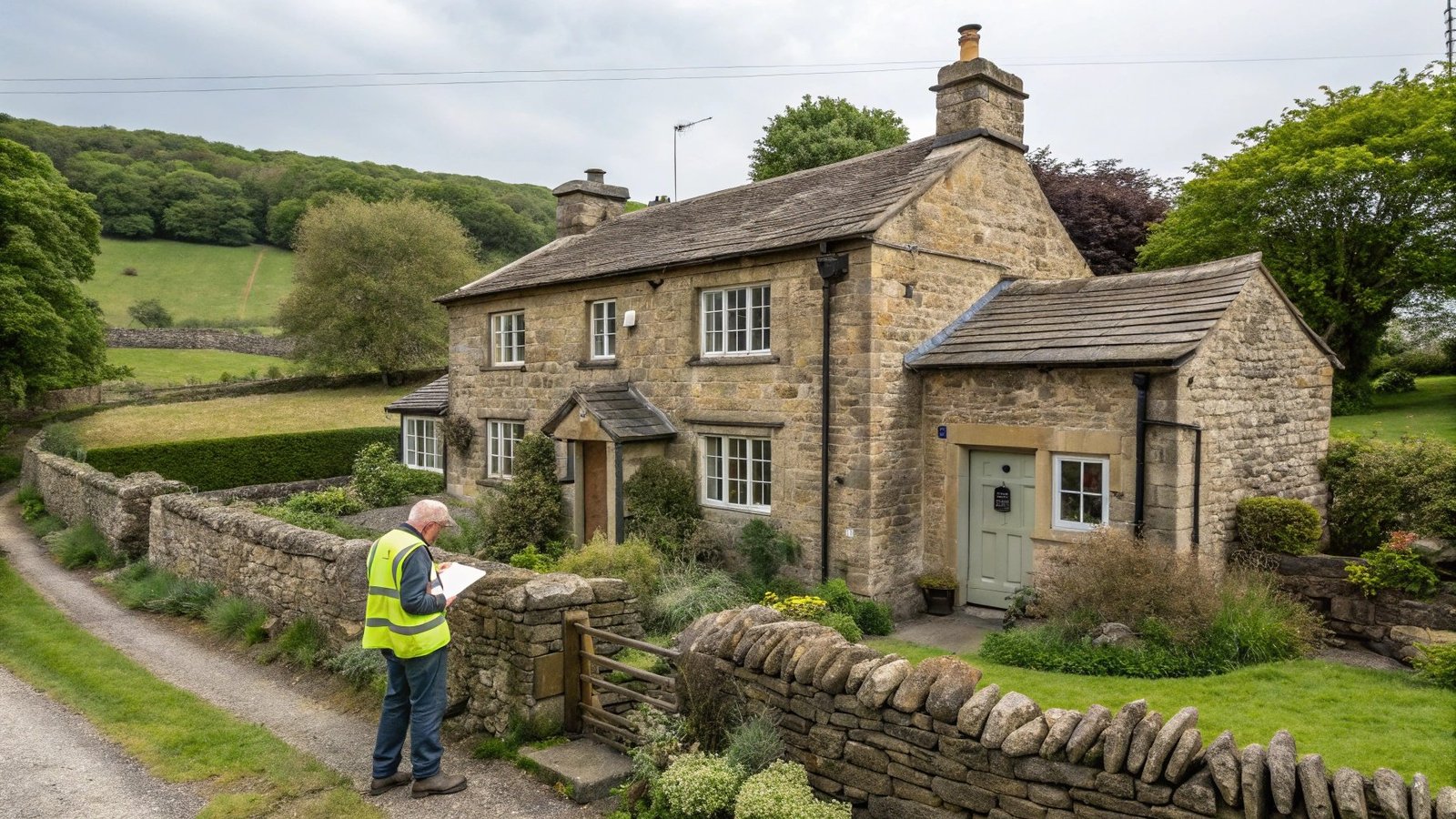
Period properties require different maintenance approaches than modern homes. Victorian and Edwardian houses across Preston and Lancashire were built with materials and techniques that demand specific care - ignore them at your peril, but maintain them properly and they'll outlast any modern home.
As RICS surveyors in Preston who regularly inspect older properties across Lancashire, we see both the results of excellent maintenance and the expensive consequences of neglect. This comprehensive guide provides a seasonal maintenance calendar to keep your period home in excellent condition.
Understanding Period Property Construction
Why Period Homes Are Different
Victorian and Edwardian properties (built roughly 1840-1914) have unique characteristics:
Construction Methods:
- Solid brick walls: No cavity, rely on thickness for weather protection
- Lime mortar: Flexible, breathable (unlike modern cement)
- Lime plaster: Allows moisture movement
- Natural materials: Stone, timber, slate, clay tiles
- Suspended timber floors: Require ventilation underneath
- Sash windows: Designed to last centuries if maintained
The "Breathability" Principle:
Critical concept for period property maintenance:
- These buildings were designed to "breathe" - moisture moves through walls
- Modern impermeable materials (cement render, vinyl paint, cavity insulation) trap moisture
- Trapped moisture causes damp, rot, and structural damage
- Maintenance should use sympathetic materials that allow breathability
Lancashire-Specific Considerations
Our climate presents particular challenges:
- High rainfall: Lancashire averages 1,200-1,400mm annually - good drainage essential
- Prevailing westerlies: West-facing walls take most weather exposure
- Freeze-thaw cycles: Winter temperature fluctuations stress masonry
- Coastal proximity: Salt-laden winds accelerate decay in western areas
Spring Maintenance (March - May)
Post-Winter Inspection
Spring is ideal for assessing winter damage:
External Checks:
1. Roof Inspection (from ground with binoculars):
- Missing, slipped, or broken slates/tiles
- Ridge tiles loose or missing
- Chimney stack condition - pointing deterioration
- Lead flashing - splits, lifting, or deterioration
- Moss growth (indicates poor drainage)
Action: Arrange professional roof inspection if issues spotted. Cost: £150-£300 for inspection; slate repairs £80-£150 per slate; ridge pointing £600-£1,200.
2. Gutters and Downpipes:
- Clear all debris (leaves, moss, silt)
- Check for leaks at joints
- Ensure downpipes discharge away from walls
- Look for overflow staining on walls (indicates blockages)
- Check gutters are securely fixed
Action: Annual gutter cleaning essential. DIY or cost: £100-£250 professional clean.
3. External Walls:
- Check pointing condition - crumbling, missing, recessed
- Look for cracks (particularly at corners and around openings)
- Inspect render for cracks, bulging, or delamination
- Check for vegetation growth (ivy, etc.)
- Look for damp patches or staining
Action: Repointing with lime mortar when needed. Cost: £40-£80 per m² for lime repointing.
4. Windows and Doors:
- Check for rot (particularly bottom rails and sills)
- Test all opening mechanisms
- Inspect glazing putty condition
- Check for gaps in draught-proofing
- Look for paint deterioration
Action: Address rot immediately - spreads rapidly. Minor repairs DIY; major work £500-£2,000 per window.
Internal Checks:
5. Damp and Ventilation:
- Check for condensation on windows
- Look for mold growth (particularly north-facing rooms)
- Ensure airbricks clear and unblocked
- Check loft ventilation adequate
Action: Improve ventilation before decorating. Clear airbricks. Consider dehumidifiers in problem areas.
Spring Tasks
Garden and Drainage:
- Clear paths and drainage channels: Prevent water pooling near walls
- Check ground levels: Should slope away from building
- Manage vegetation: Keep plants 300mm+ from walls
- Inspect soakaways: Ensure functioning properly
Chimney Sweeping:
- Sweep chimneys before or early in heating season
- Essential even for unused chimneys (prevents damp, bird nests)
- Cost: £50-£80 per chimney
- Frequency: Annually for used chimneys; every 2-3 years for unused
Summer Maintenance (June - August)
Summer is Prime Maintenance Season
Dry weather ideal for external work:
External Painting and Decoration:
Timber windows and doors:
- Best time for repainting external joinery
- Preparation crucial - strip loose paint, treat rot, prime bare wood
- Use breathable paints (linseed oil-based traditional or modern microporous)
- Frequency: Full repaint every 5-7 years; maintenance coats every 2-3 years
- Cost: £80-£150 per window DIY materials; £1,500-£4,000 professional whole house
Preston tip: Many Victorian terraces in Ashton and Ribbleton have bay windows requiring scaffolding - share costs with neighbors for economy.
Rendering and masonry:
- Repair render cracks before water ingress causes bigger problems
- Use lime render for breathability (not cement)
- Apply masonry paint only if necessary - bare brick better for breathability
Roof Repairs:
- Replace damaged slates/tiles
- Repoint ridge tiles with lime mortar
- Repair or replace lead flashing
- Best weather: Dry, warm conditions for mortar curing
Repointing:
- Rake out defective pointing (to depth of 15-20mm)
- Repoint using lime mortar (NOT cement)
- Match original joint profile (typically flush or slightly recessed)
- Why lime? Flexible, breathable, allows movement without cracking
- Cost: £40-£80 per m² professional
Summer Internal Tasks
Timber Floor Maintenance:
- Check suspended timber floors for movement, squeaks
- Inspect subfloor ventilation (from cellar or external airbricks)
- Treat any identified woodworm
- Re-finish wooden floors if necessary
Window Maintenance:
- Service sash windows - lubricate cords/pulleys
- Adjust and ease sticking windows
- Replace broken sash cords
- Re-putty loose panes
Autumn Maintenance (September - November)
Preparing for Winter
Critical Pre-Winter Checks:
1. Roof and Gutters (Again!):
- Final gutter clear before leaf fall complete
- Check all downpipes flowing freely
- Verify roof repairs completed
- Ensure gully gratings clear
2. Heating System Service:
- Annual boiler service essential
- Bleed radiators
- Check thermostats functioning
- Test heating controls
- Cost: £80-£120 annual service
3. External Tap Protection:
- Lag external pipes
- Fit insulated tap covers
- Turn off external taps if possible
Chimney and Fireplace Preparation:
- Final chimney sweep before use
- Check fireplace and hearth condition
- Ensure smoke alarms working
- Have flues inspected (particularly for open fires)
- Check chimney caps/cowls secure
Window and Door Weatherproofing:
- Check draught-proofing integrity
- Service window locks and catches
- Check door seals and thresholds
- Adjust or replace worn draught strips
Autumn Garden Tasks
Tree Management:
- Crown reduction on trees near property (before winter storms)
- Remove dead or dangerous branches
- Keep trees 1.5x mature height from buildings (clay soil areas)
- Annual inspection recommended
- Cost: £300-£1,500 depending on size
Lancashire note: Preston and surrounding areas have significant clay soil. Trees + clay + Victorian shallow foundations = subsidence risk. Manage proactively.
Drainage Maintenance:
- Clear all gullies and surface drains
- Check for blockages in underground drains
- Ensure soakaways functioning
- Consider CCTV drain survey if persistent issues
- Cost: CCTV survey £150-£400
Winter Maintenance (December - February)
Cold Weather Precautions
Frost Protection:
1. Pipe Protection:
- Lag all vulnerable pipes (loft, external walls, unheated areas)
- Insulate cold water tank and pipes (but not underneath tank)
- Know location of stopcock
- Keep heating on low if property vacant
- Cost: Pipe lagging £20-£100 DIY; burst pipe repair £200-£2,000+
2. Property Ventilation Balance:
- Maintain background ventilation despite cold
- Particularly important in period properties
- Prevents condensation and associated mold
- Use dehumidifiers if condensation problematic
Snow and Ice:
- Flat roofs: Check for snow accumulation (weight risk)
- Valley gutters: Ensure ice not damming drainage
- Paths: Keep clear to prevent salt damage to masonry
- Icicles: Indicate poor insulation or gutter issues
Winter Inspection Tasks
Internal Monitoring:
- Check for condensation: On windows, in corners
- Monitor heating performance: Cold spots indicate radiator or boiler issues
- Watch for ice dams: At eaves (causes water ingress)
- Inspect loft: Look for daylight (indicates missing slates), water ingress, condensation
Storm Damage Checks:
After severe weather:
- Walk around property checking for obvious damage
- Particularly: loose slates, displaced ridge tiles, damaged chimneys
- Check gutters haven't been displaced
- Look for fallen branches near building
- Photograph damage for insurance if significant
Ongoing Year-Round Maintenance
Monthly Checks
- Visual external inspection: Walk around property looking for obvious changes
- Check for damp patches: Internal walls and ceilings
- Monitor cracks: Photograph significant cracks to track movement
- Test smoke and CO alarms: Monthly button test
- Check heating: Even in summer, run monthly to maintain
Annual Professional Inspections
What to Commission Annually:
- Boiler service: £80-£120 (usually includes safety check)
- Chimney sweep: £50-£80 per chimney
- Electrical inspection: Every 5-10 years or when issues arise (£200-£400)
- Tree inspection: If large trees near property (£100-£300)
Consider Every 5 Years:
- Professional building survey: Comprehensive condition assessment (£600-£1,200)
- Drain survey: CCTV inspection if property 50+ years old (£150-£400)
- Roof inspection: Professional assessment including internal (£200-£400)
Common Period Property Problems (And Prevention)
Damp
Types and causes:
1. Penetrating Damp:
- Cause: Water entering through walls, roof, windows
- Prevention: Good pointing, functioning gutters, sound roof, maintained windows
- Signs: Damp patches after rain, often on external walls
2. Rising Damp:
- Cause: Ground moisture rising through walls (failed or absent DPC)
- Prevention: Keep ground levels below DPC, maintain DPC if present
- Signs: Tidemark on internal walls up to 1m high, salt deposits
- Note: Often misdiagnosed - many Victorian properties never had DPC and manage fine
3. Condensation:
- Cause: Warm moist air meeting cold surfaces
- Prevention: Adequate ventilation, heating, dehumidification
- Signs: Mold on cold walls, windows, corners
Prevention strategy: Regular gutter clearing, prompt repointing, adequate ventilation. Fix don't hide - breathable materials, not plastic membranes.
Rot (Wet and Dry)
Wet Rot:
- Cause: Timber exposed to moisture (leaks, damp, poor ventilation)
- Prevention: Fix leaks immediately, maintain paint, ensure ventilation
- Signs: Darkened, soft, cracking timber
- Treatment: Remove source of moisture, cut out affected timber, treat and replace
Dry Rot:
- Cause: Fungal attack in damp, unventilated conditions
- Prevention: As wet rot but more critical - dry rot spreads through masonry
- Signs: Mushroom smell, white mycelium, cuboidal cracking, rusty spore dust
- Treatment: Serious - requires specialist treatment (£2,000-£10,000+)
Prevention key: Keep timber dry, well-ventilated, and painted. Address leaks immediately.
Movement and Cracking
- Thermal movement: Normal seasonal expansion/contraction - fine hairline cracks
- Settlement: Normal in first few years or after alterations - usually stabilizes
- Subsidence: Serious - progressive, widening cracks, often diagonal
Monitoring: Photograph cracks, measure width, date observations. If widening or exceeding 3mm, consult structural surveyor.
Maintenance Budget Planning
Annual Costs (Typical Victorian/Edwardian House)
| Item | Frequency | Cost |
|---|---|---|
| Gutter cleaning | Twice annually | £200-£400 |
| Boiler service | Annual | £80-£120 |
| Chimney sweep | Annual (per chimney) | £50-£80 |
| Minor repairs/maintenance | Ongoing | £300-£600 |
| Annual total | £630-£1,200 |
Major Works (Budget Separately)
Set aside additional funds for cyclical major works:
- External painting: Every 5-7 years (£2,000-£5,000)
- Roof repairs: Every 10-15 years (£2,000-£8,000)
- Repointing: Every 20-30 years (£4,000-£12,000 full house)
- Window overhaul: Every 15-25 years (£500-£1,000 per window)
- Boiler replacement: Every 10-15 years (£2,000-£4,000)
Rule of thumb: Budget 1-2% of property value annually for maintenance. Period properties toward higher end.
DIY vs Professional Work
Suitable for Competent DIY:
- Gutter clearing (if safe access)
- Basic painting and decorating
- Minor repointing (small areas, straightforward)
- Draft-proofing installation
- Garden maintenance
- Basic carpentry repairs
Requires Professionals:
- Electrical work (legal requirement)
- Gas work (legal requirement)
- Structural repairs
- Roof work above ground floor
- Damp-proofing (diagnosis and treatment)
- Rot treatment (particularly dry rot)
- Major repointing
- Chimney repairs
Use Specialists For:
- Lime work: Not all builders understand traditional lime
- Sash window restoration: Specialist skill
- Stone repairs: Requires stone mason
- Listed building work: Needs conservation experience
Conclusion: Preventive Maintenance Pays
Period properties reward regular, sympathetic maintenance with longevity and character no modern home can match. The key is understanding how these buildings work and maintaining them accordingly - little and often beats deferred maintenance every time.
Key Principles:
- Regular inspection: Catch problems early
- Keep water out: Roof, gutters, pointing, drainage
- Allow breathability: Use traditional materials
- Maintain original features: Repair rather than replace
- Budget consistently: 1-2% of value annually
- Act promptly: Small problems become big expensive ones
- Use appropriate tradespeople: Not all builders understand period properties
A well-maintained Victorian or Edwardian home in Preston or across Lancashire is a joy to own and will appreciate in value. Neglect the maintenance and you'll face expensive remedial bills and declining value.
Need Professional Property Assessment?
Our RICS surveyors provide comprehensive building surveys and specialist advice on period property maintenance across Preston and Lancashire. We understand Victorian and Edwardian construction and can identify maintenance priorities for your home.
Book a Survey