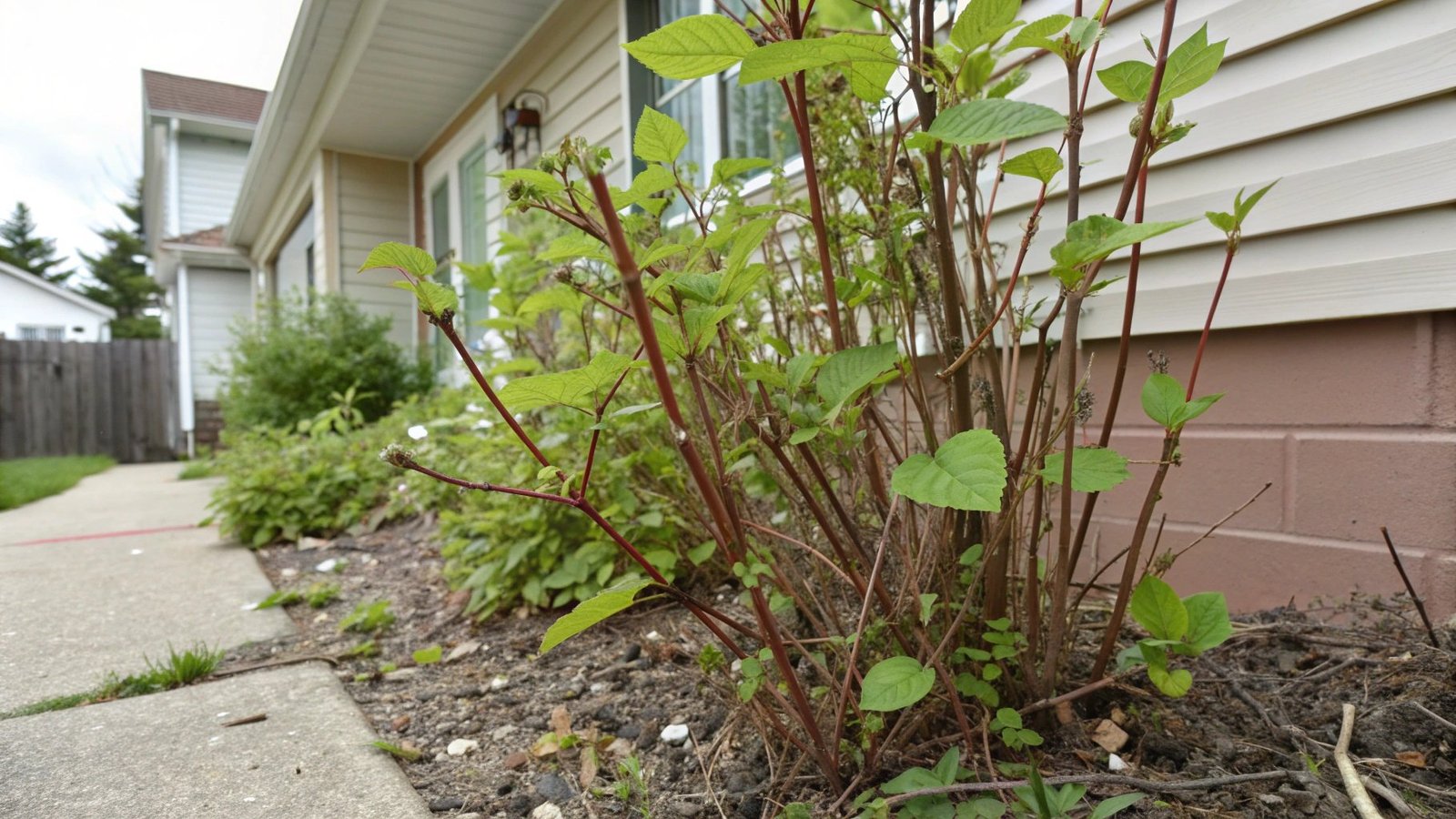
Japanese knotweed strikes fear into the hearts of property buyers and homeowners across the UK, and for good reason. This invasive plant can destroy property values, prevent mortgage approvals, and cost tens of thousands of pounds to eradicate. Yet many buyers don't know how to identify it or understand their legal rights.
As RICS surveyors in Preston, we regularly encounter Japanese knotweed during property surveys across Lancashire. This comprehensive guide explains everything you need to know about this notorious plant and how to protect yourself when buying property.
What is Japanese Knotweed?
Japanese knotweed (Fallopia japonica) is an invasive non-native plant introduced to Britain in the 1840s as an ornamental garden plant. It's now one of the UK's most problematic invasive species.
Why Is It Such a Problem?
- Incredibly aggressive growth: Grows up to 10cm per day in peak season
- Destructive root system: Can penetrate concrete, tarmac, cavity walls, and drainage systems
- Virtually indestructible: Can regrow from a fragment the size of a fingernail
- Spreads rapidly: Underground rhizomes extend up to 7 meters from visible plants
- Crowds out native plants: Creates ecological dead zones
- Nearly impossible to eradicate: Requires professional treatment over several years
The Scale of the Problem
- Present in virtually every UK postcode
- Estimated to affect 4-5% of UK properties
- Costs UK economy £166 million annually
- Treatment costs can exceed property value in severe cases
In Preston and Lancashire, Japanese knotweed is particularly common along railway lines, riverbanks, waste ground, and older residential areas where it was originally planted as ornamental screening.
Identifying Japanese Knotweed
Accurate identification is crucial. Japanese knotweed looks different throughout the seasons:
Spring (March-May)
- Appearance: Red/purple asparagus-like shoots emerge from the ground
- Growth rate: Rapidly grows into green stems
- Shoots: Often mottled red and green
Summer (June-August)
- Stems: Hollow bamboo-like stems with purple speckles, 2-3 meters tall
- Leaves: Shield-shaped (like a shovel), 10-20cm long
- Leaf pattern: Distinctive zig-zag growth pattern along stems
- Flowers: Small creamy-white flowers appear in late summer
- Dense growth: Forms impenetrable thickets
Autumn (September-November)
- Leaves turn yellow/brown before falling
- Stems die back but remain standing
- Dead canes: Distinctive brown hollow stems throughout winter
Winter (December-February)
- Above-ground growth dies completely
- Dead brown canes remain: Only visible evidence
- Crown and rhizomes dormant underground: Ready to regrow in spring
Similar Plants Often Confused With Knotweed
These plants are harmless but frequently misidentified:
- Russian Vine: Similar leaves but climbs, has tendrils
- Bindweed: Vine-like, trumpet flowers, smaller
- Bamboo: Similar stems but leaves grow from stem nodes
- Lilac: Similar leaf shape but woody shrub, fragrant flowers
- Dogwood: Similar stems but true woody shrub
Important: If in doubt, get professional identification. Many surveys have been halted unnecessarily due to misidentification, but equally, knotweed is sometimes missed by inexperienced observers.
How Japanese Knotweed Damages Property
Structural Damage
The plant's rhizomes (underground stems) exploit weaknesses:
- Foundation damage: Grows through cracks in foundations
- Drainage systems: Penetrates and blocks drains
- Hard surfaces: Breaks through patios, paths, driveways
- Cavity walls: Exploits air bricks and gaps
- Outbuildings: Damages sheds, garages, conservatories
Reality check: Japanese knotweed doesn't actively "attack" buildings - it exploits existing cracks and weaknesses. However, once established, it exacerbates problems significantly.
Property Value Impact
- Immediate presence: 5-10% value reduction minimum
- Near buildings: 10-20% reduction
- Severe infestations: Properties can become unmortgageable and effectively worthless
- Neighboring infestations: Even affects value if on adjacent land
Preston example: A semi-detached property in Ribbleton valued at £180,000 dropped to £145,000 when knotweed was discovered 3 meters from the rear extension. After professional treatment plan was established, it sold for £160,000 with appropriate legal protections.
Legal Obligations and Liabilities
For Sellers
The law is increasingly clear on seller obligations:
TA6 Property Information Form
Sellers must complete this form honestly, which asks:
- "Is the property affected by Japanese knotweed?"
- Must answer truthfully - lying is fraud
- Must disclose even if previously treated
- Should disclose if on neighboring land within 7 meters
Consequences of Non-Disclosure
- Civil lawsuits: Buyers can sue for damages
- Criminal prosecution: Fraud by misrepresentation
- Rescission: Transaction can be reversed
- Damages awards: Treatment costs plus value reduction
Landmark case: In Williams & Waistell v. Network Rail (2018), homeowners won £150,000+ damages for knotweed encroachment from neighboring railway land, establishing clear legal precedent.
For Property Owners
You have legal obligations even if not selling:
- Anti-Social Behaviour, Crime and Policing Act 2014: Can be prosecuted if knotweed spreads to neighbors
- Wildlife and Countryside Act 1981: Illegal to allow knotweed to spread into the wild
- Environmental Protection Act 1990: Knotweed waste is controlled waste requiring licensed disposal
Penalties
- Community protection notices
- Fines up to £5,000 (unlimited for businesses)
- Up to 2 years imprisonment for serious offenses
- Civil damages to affected neighbors
Impact on Mortgages and Sales
Mortgage Lending
Lender policies on Japanese knotweed have evolved:
Most Lenders Will NOT Lend If:
- Knotweed is within 7 meters of the property
- No professional management plan exists
- Treatment has not commenced
- No insurance-backed guarantee provided
Some Lenders MAY Lend If:
- Professional treatment plan in place
- PCA (Property Care Association) qualified contractor
- Insurance-backed 10-year guarantee
- Knotweed more than 7 meters from buildings
- Regular monitoring evidence provided
RICS Guidance for Surveyors
RICS categorizes knotweed risk by distance from property:
- Category 1 (within 7m of habitable space): High risk - most lenders refuse
- Category 2 (within 7m of boundary): Moderate risk - lender discretion
- Category 3 (beyond 7m from boundary): Lower risk - typically acceptable
- Category 4 (on adjacent/nearby land): Potential future risk - disclosure required
Sale Transaction Impact
Japanese knotweed discovery typically derails transactions:
- Buyer withdrawal: 60-70% of buyers walk away
- Price renegotiation: Those who proceed demand substantial reductions
- Extended timeline: Treatment plans, guarantees, legal negotiations add months
- Legal indemnities: Insurance policies to protect buyers (£1,000-£5,000)
Treatment and Management
Professional Treatment Methods
1. Herbicide Treatment (Most Common)
- Method: Specialist herbicide applied by trained professionals
- Duration: Typically 3-5 years of repeated treatments
- Cost: £2,000-£5,000 for typical residential infestation
- Success rate: High when properly managed
- Guarantee: PCA members provide 10-year insurance-backed guarantees
Process:
- Initial survey and management plan
- First herbicide application (late summer optimal)
- Follow-up applications each growing season
- Annual monitoring and reporting
- Certification when eradicated
2. Excavation and Removal
- Method: Dig out all contaminated soil to 3m depth
- Duration: Can be completed in weeks
- Cost: £10,000-£50,000+ depending on site
- Pros: Fast, immediate eradication
- Cons: Extremely expensive, massively disruptive, waste disposal issues
3. Burial and Encapsulation
- Method: Bury infested material deep with root barrier membrane
- Duration: Weeks for burial, plus monitoring
- Cost: £5,000-£20,000
- Use case: When excavation and removal impractical
- Limitation: Requires available land
4. Root Barrier Installation
- Method: Physical barrier to prevent spread to buildings
- Cost: £1,500-£5,000
- Use: Combined with herbicide treatment
- Protection: Allows building near infestation if necessary
Why DIY Treatment Fails
Don't attempt DIY Japanese knotweed treatment:
- Wrong herbicides: Garden weedkillers ineffective
- Illegal disposal: Knotweed is controlled waste
- Spreading the problem: Moving soil or plant material spreads infestation
- No guarantee: Buyers/lenders won't accept DIY treatment
- Legal liability: If it spreads, you're liable
Bottom line: Only PCA-qualified specialists should treat Japanese knotweed.
Treatment Costs Summary
| Treatment Method | Typical Cost | Duration |
|---|---|---|
| Small herbicide treatment | £1,500-£3,000 | 3-5 years |
| Medium herbicide treatment | £3,000-£5,000 | 3-5 years |
| Large herbicide treatment | £5,000-£10,000 | 3-5 years |
| Excavation and removal | £10,000-£50,000+ | Weeks |
| Root barrier installation | £1,500-£5,000 | Days (plus treatment) |
What to Do If Knotweed Is Found
If You're Buying
Step 1: Confirm identification
- Your surveyor should identify in their report
- Commission specialist PCA surveyor for confirmation
- Don't rely on estate agent or seller assurances
Step 2: Assess the extent
- Get professional Japanese knotweed survey
- Understand location, spread, proximity to buildings
- Determine RICS category (1-4)
Step 3: Obtain treatment plan and costs
- Get quotes from minimum 2 PCA-qualified contractors
- Ensure they provide insurance-backed guarantees
- Understand timeline and ongoing obligations
Step 4: Check mortgage availability
- Speak with mortgage broker immediately
- Provide lender with treatment plan details
- Get confirmation in writing if lender will proceed
Step 5: Decide whether to proceed
Proceed if:
- Professional treatment plan available with guarantee
- Price reduction covers treatment costs plus value impact
- Mortgage lender confirmed they'll lend
- You're comfortable with ongoing management
Walk away if:
- Severe infestation close to buildings
- Seller won't contribute to treatment costs
- No mortgage available
- Future resale concerns outweigh price reduction
Step 6: Negotiate
- Request price reduction equal to treatment cost + 10-15% additional for stigma
- Seller pays for initial professional survey and treatment plan
- Seller commences treatment before completion
- Legal indemnity insurance arranged
If You're Selling
Be proactive:
- Commission professional survey before listing
- Begin treatment immediately - shows good faith
- Obtain PCA guarantee transferable to buyer
- Disclose fully in TA6 form - honesty prevents legal issues
- Adjust price to reflect treatment costs and stigma
- Provide all documentation - surveys, treatment plans, guarantees
Lancashire example: A seller in Fulwood discovered knotweed before listing. They commissioned treatment immediately (£3,500), reduced asking price by £8,000, and property sold within 6 weeks. Proactive approach prevented transaction collapse.
Buyer Questions to Ask
When viewing properties, always ask:
- Are you aware of Japanese knotweed on this property or neighboring land?
- Has knotweed ever been present?
- If previously treated, who did the work? Is there documentation?
- Is there a management plan and guarantee in place?
- Have neighbors ever mentioned knotweed on their land?
Red flags:
- Evasive or unclear answers
- "I don't know" to all questions
- Dead bamboo-like canes near boundaries
- Dense patches of vegetation in corners/boundaries
- Recently cleared areas (trying to hide evidence)
Prevention and Garden Management
For Existing Homeowners
- Regular garden inspections: Check boundaries, waste areas
- Know your neighbors' gardens: Politely check if they have knotweed
- Early identification: Easier to treat when small
- Never plant Japanese knotweed: Obvious but still happens
- Be careful with soil: Don't accept topsoil from unknown sources
If Neighbor Has Knotweed
- Speak to neighbor politely - they may not know
- Document the situation - photos, dates
- Request they arrange treatment
- If they refuse, contact local authority - they have enforcement powers
- Consider legal action if it spreads onto your land
Insurance Considerations
Home Insurance
- Most policies DON'T cover Japanese knotweed damage
- You must disclose presence when renewing or switching
- Some specialist insurers cover properties with managed knotweed
- Premiums typically increase 10-30%
Treatment Guarantee Insurance
- PCA contractors provide 10-year insurance-backed guarantees
- Covers retreatment if knotweed returns
- Transferable to future owners
- Essential for mortgage approval and resale
Legal Indemnity Insurance
- One-off premium (£1,000-£5,000)
- Covers buyer against undisclosed knotweed
- Some lenders require for properties with knotweed history
- Not a substitute for proper treatment
Future Outlook
The Japanese knotweed situation is evolving:
Research Developments
- Biological control: Japanese psyllid insect trials showing promise
- New herbicides: More effective treatments in development
- Faster eradication methods: Potentially reducing treatment timelines
Legal Changes
- Stricter enforcement of disclosure requirements
- Clearer liability for encroachment cases
- Potential mandatory seller surveys before listing
Market Adaptation
- Lenders developing more nuanced policies
- Specialist mortgage products for knotweed-affected properties
- Better understanding reducing stigma slightly
Conclusion: Knowledge Is Protection
Japanese knotweed is undeniably problematic, but it's not necessarily a deal-breaker for property purchases. The key is understanding what you're dealing with and ensuring adequate protection through professional treatment, proper documentation, and appropriate price adjustment.
Key Takeaways:
- Learn to identify Japanese knotweed in all seasons
- Always commission professional building surveys in Preston and Lancashire
- Sellers must disclose honestly - non-disclosure has serious legal consequences
- Only PCA-qualified contractors should treat knotweed
- 10-year insurance-backed guarantees are essential
- Expect mortgage complications - specialist brokers help
- Price reductions should cover treatment costs plus 10-15% stigma discount
- Properties with properly managed knotweed can be acceptable purchases
As RICS surveyors serving Preston and Lancashire, we've seen many successful transactions involving properties with Japanese knotweed - the difference is always proper professional management and realistic expectations.
Concerned About Japanese Knotweed?
Our experienced RICS surveyors can identify Japanese knotweed during property surveys and advise on the implications for your purchase. We work with PCA-qualified specialists to provide comprehensive guidance on knotweed-affected properties across Preston and Lancashire.
Book Your Property Survey